

Running a small business in Nigeria is hard, but using the right risk assessment tools makes it much easier.
Small and medium-sized enterprises (SMEs) are the heartbeat of the Nigerian economy. Whether you run a tech startup in Yaba, a manufacturing plant in Onitsha, or a retail chain in Kano, you face risks every day. Some risks are small, like a late delivery. Others are big, like a sudden change in government policy or a fire at your warehouse.
Many business owners think that managing these dangers is only for big banks or oil companies. They believe they need millions of Naira to buy fancy software. This is not true. You can protect your business without breaking the bank.
In this guide, we will look at affordable ways to spot and stop threats to your business.
What is a Risk Assessment?
Before we discuss risk assessment tools, let’s first define what risk assessment actually means. A risk assessment is just a way of looking at what could go wrong in your business. You identify the problem, assess its likelihood, and decide how much damage it could cause.
Once you know this, you can make a plan. You don’t need a PhD to do this. You just need a clear head and the right risk assessment tools to keep things organized.
Why Nigerian SMEs Need to Take This Seriously
Nigeria is a unique place to do business. We have a lot of opportunities, but we also have unique challenges. Inflation, power issues, and changing laws can hit a small business hard.
If you don’t have a plan, you are just playing a game of chance. Using simple tools for checking business hazards helps you stay ahead. It moves you from being reactive to being proactive. Instead of putting out fires every day, you prevent the fires from starting in the first place.
5 Simple and Affordable Risk Assessment Tools
You don’t need to hire an expensive consultant to start. Here are some of the most affordable ways to check for risks in your business today.
1. The Risk Matrix (The Classic Choice)
This is one of the most effective risk assessment tools you can find. It’s basically a simple chart. On one side, you list how likely a risk is to happen (Low, Medium, High). On the other side, you list how bad the impact would be (Minor, Moderate, Major).
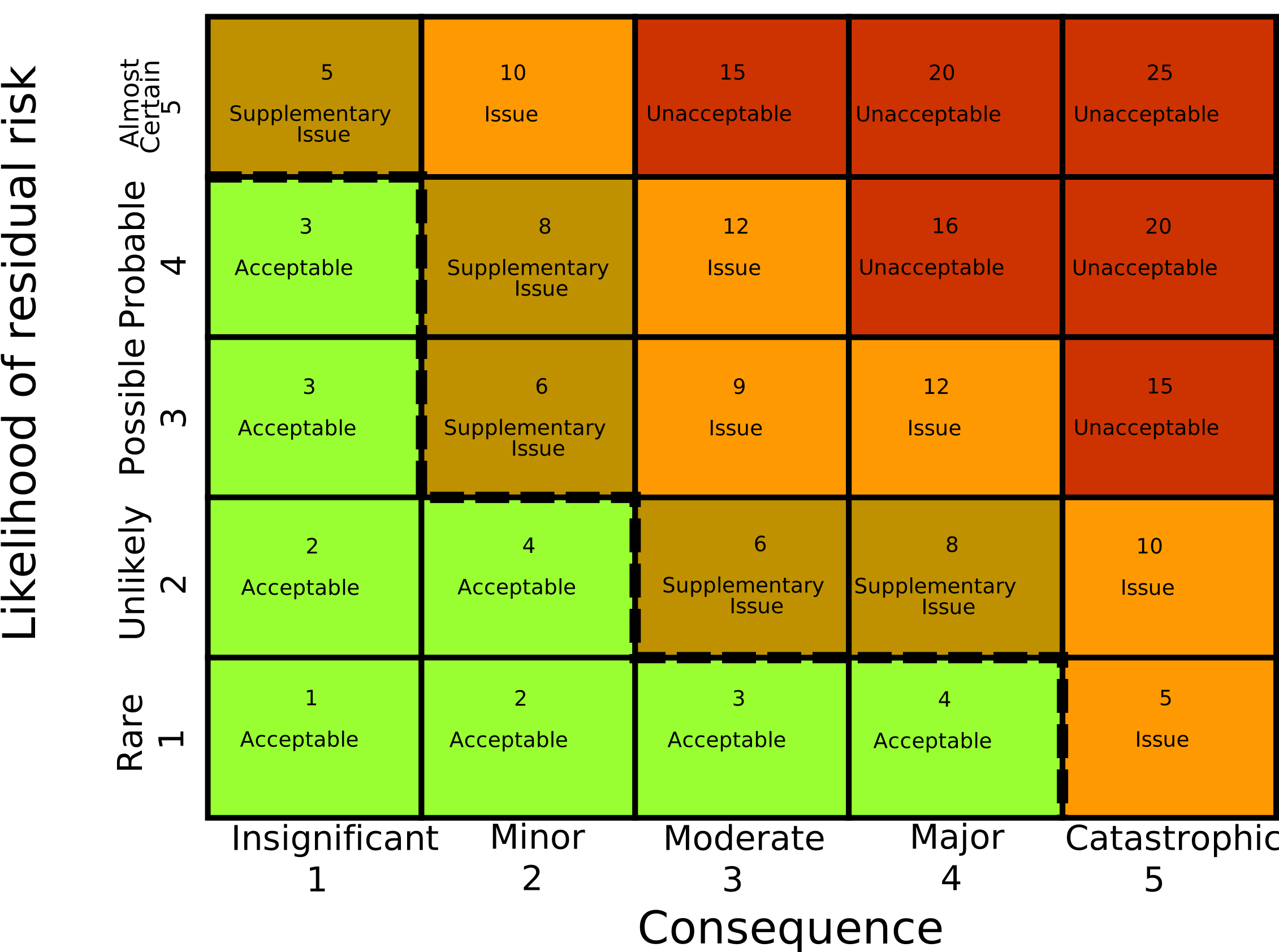
By putting your risks on this chart, you can see exactly which ones need your attention right now. For example, if a risk is “High Likelihood” and “Major Impact,” you must deal with it today. If it is “Low Likelihood” and “Minor Impact,” you can put it on the back burner.
2. SWOT Analysis
SWOT stands for Strengths, Weaknesses, Opportunities, and Threats. While people usually use this for marketing, it’s a fantastic way to find business risks.
-
Strengths: What do you do well?
-
Weaknesses: Where are you vulnerable? (e.g., relying on one supplier).
-
Opportunities: Where can you grow?
-
Threats: What outside factors can hurt you? (e.g., new taxes).

When you look at your threats and weaknesses, you are doing a risk assessment. This tool is free and only costs you the time it takes to think and write.
3. Digital Spreadsheets (Excel or Google Sheets)
You likely already have these on your computer or phone. Excel is one of the most powerful risk assessment tools for a small business. You can create a “Risk Register.” This is just a list where you write down:
-
The name of the risk.
-
Who is responsible for it.
-
What the plan is to stop it.
-
The date you last checked on it.
Google Sheets is even better because it is free, and you can share it with your partners or staff in real-time.
4. Checklists and Surveys
Sometimes, the best way to find out what is wrong is to ask. Create a simple checklist for your shop or office. Are the fire extinguishers expired? Is the backup generator serviced?
You can also use free online tools like Google Forms to ask your employees about risks they see. Often, the person working the front desk sees dangers that the owner does not notice. This is a very low-cost risk checking method that works wonders.
5. Business Impact Analysis (BIA) Templates
A BIA helps you see what happens if your business stops for a day, a week, or a month.
- What if the internet goes down?
- What if your main driver gets sick?
You can find free BIA templates online that guide you through these questions. This helps you prioritize your risk assessment tools based on what keeps the doors open.
Common Risks for Nigerian SMEs to Watch Out For
When using your risk assessment tools, you should keep an eye on these specific areas that affect businesses in Nigeria:
-
Financial Risk: This includes things like customers not paying on time or the value of the Naira dropping.
-
Operational Risk: This is about your daily work. It includes power outages, machine breakdowns, or staff theft.
-
Legal and Compliance Risk: The government often introduces new rules. If you don’t follow them, you might face heavy fines.
-
Reputational Risk: In the age of social media, one bad customer experience can go viral. You need to assess how you handle your online presence.
How to Start Your Risk Assessment Today
You don’t have to do everything at once. Start small. Pick one area of your business, like your finances or your warehouse. Use a simple risk chart to list five things that could go wrong.
Once you have your list, talk to your team. Ask them for ideas on how to reduce these risks. This makes everyone feel responsible for the safety and success of the business.
Review your list once a month. Things change quickly in Nigeria. A risk that was “Low” last month might be “High” this month because of a new law or a change in the market. Consistent use of these risk assessment tools is the key to long-term survival.
The Value of Professional Knowledge
While these tools are great, knowing how to use them like a pro makes a huge difference. Many SME owners in Nigeria are moving beyond basic tools and seeking professional certification. This helps them stand out and ensures their business can survive even the toughest economic times.
Building a career or a business in this field requires a community. You need to talk to others who understand the Nigerian market and know the best risk assessment tools for our local environment.
About the Chartered Institute of Loan and Risk Management of Nigeria (CILRMNG)
The Chartered Institute of Loan and Risk Management of Nigeria (CILRMNG) is the leading body for professionals who want to master the art of managing risks and loans. We provide the training, ethics, and network you need to protect businesses and grow your career. Joining us means you are no longer alone in your journey to secure your business’s future.
Benefits of Joining CILRMNG:
-
Professional Recognition: Gain a prestigious title that proves you are an expert in using risk assessment tools and managing credit.
-
Networking Opportunities: Connect with top industry leaders and fellow SME owners across Nigeria to share ideas and find new opportunities.
-
Exclusive Resources: Get access to advanced training materials, workshops, and the latest updates on Nigerian business laws and risk trends.
Take the Next Step for Your Career
Ready to become a leader in your field and protect your business with confidence? Become a member of CILRMNG today and gain the professional edge you need to succeed in Nigeria.